If you want a home base where you can step outside and be close to riverfront paths, restaurants, public art, theaters, and major city landmarks, Downtown San Antonio offers a lifestyle that feels very different from most of the metro area. At the same time, living downtown means sharing space with visitors, events, changing traffic patterns, and a neighborhood that stays active well past the end of the workday. This guide will help you understand what daily life really looks like, what types of homes you may find, and whether the tradeoffs fit the way you want to live. Let’s dive in.
Downtown San Antonio at a glance
Downtown San Antonio is a compact urban core where residential life overlaps with tourism, offices, entertainment, and historic sites. According to Visit San Antonio, the area is known for the River Walk, the Alamo, Main Plaza, museums, theaters, art schools, local shops, eateries, and public art.
That mix gives downtown a lived-in, all-day feel. You are not just near attractions for occasional weekends. You are in the middle of a part of the city built around movement, activity, and convenience.
What daily life feels like
One of the biggest reasons people choose downtown is walkability. Visit San Antonio describes the core as compact and walkable, which matters if you want to do more on foot and rely less on a daily drive.
In practical terms, that can mean walking to dinner, meeting friends for coffee, catching a show, or taking an evening stroll along the river without planning your day around parking. For many buyers, that convenience is the real value of downtown living.
The River Walk shapes the experience
The River Walk is one of the biggest lifestyle anchors downtown. It is a free public park that stretches 15 miles, with about five miles running through downtown, and the downtown and Museum Reach segments are open 24 hours.
That gives you easy access to riverfront walking, people-watching, dining, and entertainment at many hours of the day. Boat rides and cruises cost extra, but simply using the space as part of your routine does not.
History and culture are part of everyday life
Downtown is not only about nightlife and restaurants. The historic core includes places like Alamo Plaza, Main Plaza, and San Fernando Cathedral, and the broader downtown experience also includes La Villita, Hemisfair, Market Square, and nearby arts districts.
If you enjoy being near museums, public spaces, performances, and city events, downtown puts those options close to home. That can make your weekends feel fuller without requiring much planning or travel time.
Evenings stay active
Downtown San Antonio is designed to stay lively after business hours. Visit San Antonio highlights dining, patios, live music, rooftop bars, and late-night River Walk energy as part of the area’s appeal.
That is a plus if you like an urban setting with activity around you. It may be less appealing if your top priority is a quieter environment with more separation from restaurants, events, and foot traffic.
Getting around downtown
Living downtown often means you can be more flexible about how you move around. Depending on where you live and work, you may be able to combine walking, transit, biking, and occasional driving instead of relying on your car for every errand.
That flexibility is one of downtown’s strongest advantages, but it works best when you go in with realistic expectations about parking and event-related traffic changes.
Transit options are useful
VIA Metropolitan Transit runs seven days a week across 75 routes. The Downtown VIA Link zone operates daily from 7 a.m. to 11 p.m., with Centro Plaza and Ellis Alley serving as transfer points.
VIA also offers downtown-oriented service, express routes, late-night service, and Prímo connections that run from early morning to 1 a.m. If airport access matters, VIA Route 7 connects Stone Oak Park & Ride, San Antonio International Airport, and downtown.
Biking is part of the mix
The City of San Antonio publishes a downtown bike-rides guide with routes connecting landmarks such as the Alamo, Main Plaza, Hemisfair, and La Villita. VIA buses can also carry bikes, which adds another layer of flexibility.
If you like short rides for errands or recreation, that can make downtown easier to navigate than many people expect. It also supports a more car-light routine for residents who want one.
Parking takes planning
Parking downtown is manageable, but you should expect rules, permits, and changing conditions to be part of daily life. The City of San Antonio offers city-owned garages near the River Walk and Houston Street, including St. Mary’s Garage and City Tower Garage.
The city also offers free parking in certain city-owned facilities on Tuesdays, free parking at City Tower on Sundays, free curb parking after 6 p.m., and monthly permits for people who live or work downtown. Residential parking permits are only available in designated zones such as North Flores, Arsenal, Lavaca, and Perry Court.
Detours are normal downtown
The city regularly posts lane-closure and pedestrian-access updates for downtown event and construction corridors. That means occasional detours and shifting traffic patterns are simply part of the environment.
For some residents, that is a small trade for a more connected lifestyle. For others, especially those who want easy in-and-out driving every day, it may feel like friction.
What kinds of homes you can expect
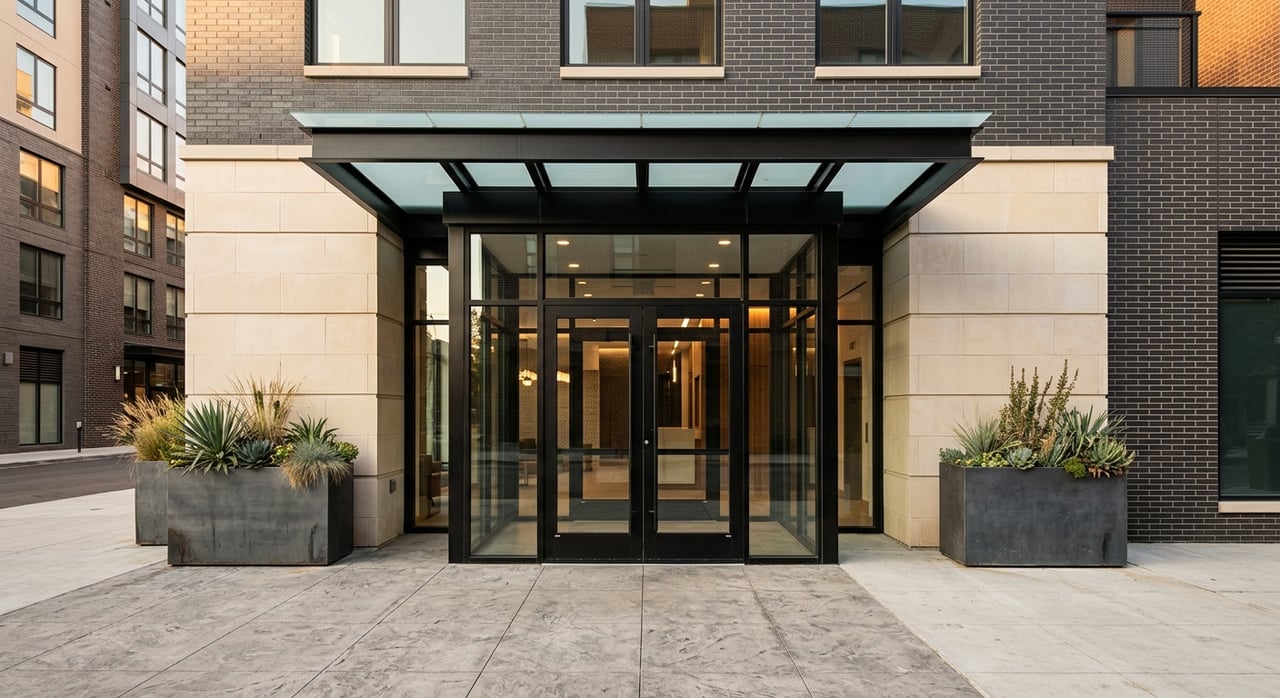
Downtown San Antonio is not a one-format housing market. City planning and housing materials show a mix of loft projects, townhomes, flats, and other infill housing designed to support a denser, mixed-use center city.
Active Center City Housing Incentive Policy project lists include developments such as Cattleman Square Lofts, Museum Reach Lofts, Pearl District Lofts, Cedar St Townhomes, SOJO Crossing Townhomes, and Sunglo Townhomes. That mix gives buyers more than one way to live downtown.
Downtown homes are often about convenience
In most cases, downtown housing is less about large lots and more about access, efficiency, and a lock-and-leave lifestyle. That can appeal to buyers who want to be near dining, events, offices, and riverfront spaces rather than maintaining a larger property.
If you prefer a smaller footprint and easier access to city amenities, downtown may line up well with your priorities. If yard size, privacy, and distance from activity matter most, you may feel the tradeoffs more sharply.
Nearby districts add more options
Some nearby areas often feel connected to the same broader lifestyle. La Villita is a historic arts village a few blocks from Alamo Plaza, with 27 nineteenth-century dwellings now used largely as shops, galleries, restaurants, and event spaces.
Southtown and King William add a more residential arts-district feel just south of downtown. Visit San Antonio describes Southtown as a mix of historic houses, converted warehouses, artists’ lofts, shops, galleries, and restaurants, while King William is a historic residential district known for mansion-era architecture.
Market Square, also called El Mercado, adds another layer to the area with a distinct retail and cultural presence. Visit San Antonio describes it as the largest Mexican market north of the Rio Grande.
The biggest pros of living downtown
Downtown living tends to appeal to people who want their home to connect directly to their routine. Instead of driving across the city for dinner, entertainment, or a weekend walk, many of those options are already around you.
Here are some of the biggest advantages:
- Walkability in a compact urban core
- Easy access to the River Walk and public spaces
- Close proximity to restaurants, arts, entertainment, and historic sites
- More transportation options through transit, biking, and walking
- Housing choices that can fit buyers looking for lofts, townhomes, or lower-maintenance living
For the right buyer, those benefits are not small perks. They are the reason downtown works.
The tradeoffs to think through
Downtown is not for everyone, and that is not a negative. It simply has a different rhythm than more residential parts of San Antonio.
Here are some of the main tradeoffs to consider:
- More activity from tourism, events, and nightlife
- Parking policies that may require more planning
- Construction and event detours that can affect daily driving
- Smaller-footprint homes compared with many suburban options
- Less emphasis on yard space and separation from surrounding activity
If your goal is a car-light, amenity-rich lifestyle, these tradeoffs may feel worthwhile. If you want quieter streets and more physical space, another area may fit better.
Who downtown fits best
Downtown San Antonio often fits buyers who value convenience, culture, and access more than square footage or lot size. You may be a strong fit if you like the idea of walking to parts of your daily life and want a home that supports a more urban routine.
It can also be a smart option if you prefer a lower-maintenance property and want to stay close to dining, events, and the city’s historic core. The key is making sure the lifestyle matches your habits, not just your wish list.
Why local strategy matters when buying downtown
Buying downtown is not only about liking the area. It is also about understanding the building type, parking reality, access patterns, and how a specific location lines up with the way you plan to live.
That is where clear guidance matters. When you are comparing lofts, townhomes, or other center-city options, you want a strategy that looks beyond the listing photos and helps you weigh convenience, tradeoffs, and long-term fit with confidence.
If you are considering a move to Downtown San Antonio and want practical guidance on where to focus, what to compare, and how to protect your position during the process, Keeping It Realty can help you build a smart plan.
FAQs
What is daily life like in Downtown San Antonio?
- Daily life in Downtown San Antonio is typically active, walkable, and centered around easy access to the River Walk, restaurants, historic landmarks, public spaces, and entertainment.
What types of homes are available in Downtown San Antonio?
- Downtown San Antonio includes a mix of lofts, townhomes, flats, and other infill residential options designed for a denser, mixed-use urban core.
Is Downtown San Antonio walkable for residents?
- Yes. Visit San Antonio describes the downtown core as compact and walkable, which is one of the area’s main lifestyle advantages.
How do residents get around Downtown San Antonio?
- Residents often use a mix of walking, VIA transit, biking, and driving, with downtown bus connections, VIA Link service, and bike routes supporting a more flexible routine.
What should buyers know about parking in Downtown San Antonio?
- Parking is available through city garages, curb parking rules, and some permit options, but buyers should expect parking policies, designated permit zones, and event-related changes to be part of downtown life.
Is Downtown San Antonio a good fit if you want quiet residential living?
- Downtown may be less ideal if your top priorities are quieter streets, larger yards, and more separation from events, nightlife, and visitor activity.