If you are thinking about buying in Lake Las Vegas, you are probably asking a simple question with a lot behind it: what does day-to-day ownership actually feel like? This is not just about a pretty view or a resort-style entrance. It is about how you live, what you maintain, what you pay for, and whether the lifestyle fits how you want to spend your time. Let’s dive in.
Lake Las Vegas at a glance
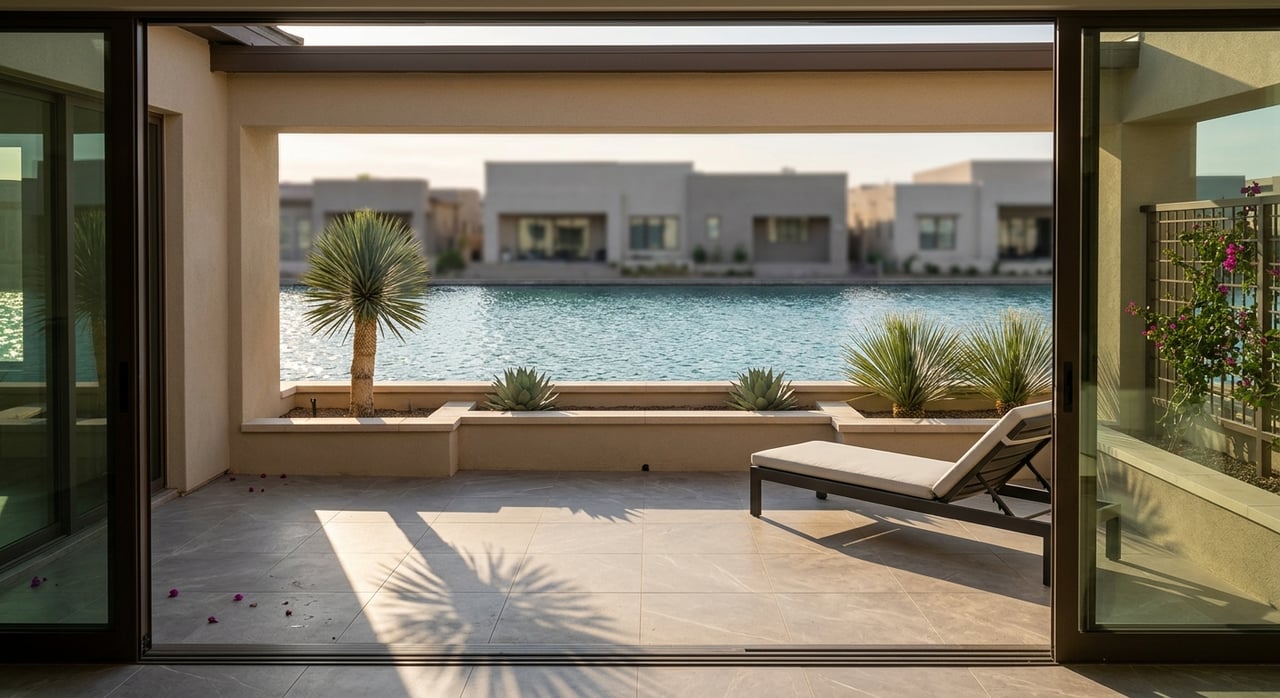
Lake Las Vegas is a large master-planned community in Henderson built around a 320-acre freshwater lake with about 10 miles of shoreline. City of Henderson data listed 3,741 existing units out of 9,546 maximum units as of January 1, 2025, which shows that the community was still in build-out at that point.
From a location standpoint, official community materials place it about 25 minutes east of the Las Vegas Strip and minutes from Lake Mead and Henderson destinations. That helps explain the appeal. You get a residential setting with a strong resort identity, while still staying connected to the broader Las Vegas area.
Daily life centers on the lake
What stands out most about owning here is that the lake is not just scenery. It is a real part of everyday life. Official community amenities highlight kayaking, stand-up paddleboarding, rowing, yacht cruises, e-foiling, and Duffy or electric boat rentals, along with a full-service marina.
The Village adds another layer to the experience. You have waterfront restaurants, retail, Seasons Grocery, concerts, holiday events, and other social programming gathered in one central area. For many owners, that means your evenings and weekends can feel more built-in than they would in a typical neighborhood.
If you like the idea of staying active close to home, the Lake Las Vegas Sports Club is another major piece of the lifestyle. It is a private resident amenity with pools, tennis, pickleball, spa facilities, steam rooms, fitness, and related social and fitness activities.
Ownership feels lifestyle-driven
Owning a home in Lake Las Vegas often means buying into a lifestyle as much as a property. That can be a real plus if you want your home base to include water access, golf nearby, dining options, and a polished community setting.
It can also be a practical fit if you want a second home or a lock-and-leave setup. The available housing mix includes townhomes, single-story homes, gated enclaves, and lifestyle-oriented amenities, which gives buyers more than one way to match the community to their routine.
At the same time, this is not the same experience as owning in a more conventional non-HOA neighborhood. The resort setting and common-interest-community structure shape what ownership looks like, both financially and operationally.
Home types vary widely
One of the strengths of Lake Las Vegas is that it is not a one-product community. Buyers can find options that range from lower-maintenance townhomes to detached homes and more waterfront-focused properties.
Townhomes and low-maintenance living
If you want simpler upkeep, townhome living may be appealing. Vita Bella is a current example, with modern townhomes, open-style floorplans, resort-inspired pool cabanas, lake views, and proximity to The Westin Resort and Reflection Bay Golf Course.
This type of product can make sense if you want a home that supports more convenience and less hands-on exterior maintenance. That matters whether you are buying a primary residence or a second home.
Detached and single-story homes
Lake Las Vegas also offers one- and two-story floorplans, including detached homes and single-story communities. Official new-home materials name neighborhoods such as Del Webb and The Outlook for single-story options, along with detached offerings like Lago Del Sol and Incanta Lago.
For many buyers, single-story living is not just about style. It can also support easier day-to-day use, simpler upkeep, and long-term flexibility.
Waterfront and custom-lot options
If your goal is the most lakefront version of ownership, there are options designed around that experience. The Island is a guard-gated enclave with about 140 home sites, private beach access, trails, and an option for personal docks.
Velaris at the Island is another waterfront example, with 41 homesites and 23 on the water, plus private-dock marketing. These kinds of properties offer a more specific ownership experience, and that means your due diligence should be even more detailed.
55+ lifestyle choices
Lake Las Vegas also includes active-adult housing. Del Webb at Lake Las Vegas is marketed as a 55+ community with single-story homes, pools, tennis and pickleball courts, a recreation center, a retail village, resort hotels, and golf nearby.
For buyers looking at age-restricted options, this adds another path into the community without giving up the broader Lake Las Vegas setting.
HOA costs matter here
One of the biggest realities of owning in Lake Las Vegas is that you should expect HOA governance to be a meaningful part of ownership. Nevada common-interest-community guidance says owners are obligated to pay a share of common-element expenses, and state training materials note that CC&Rs can restrict lifestyle choices. Boards may also raise assessments or levy special assessments for extraordinary expenses.
In plain English, this is usually more than just paying one basic monthly fee. Depending on the property, you may be dealing with a master association, a neighborhood association, or both.
A builder FAQ for Vita Bella offers a useful example of how this can work. It listed both master-association and neighborhood-association dues, and said HOA coverage included water, sewer, garbage, recycling, landscaping, common-area upkeep, management, insurance, pest control, exterior painting, roof maintenance and repair, and capital reserves.
That bundled structure can be helpful because some costs are handled collectively rather than individually. But it also means you need to understand exactly what you are paying for, what is covered, and what is not.
Rules are part of the tradeoff
Ownership in a resort-style community often comes with more structure. Lake Las Vegas appears to have active rule enforcement, and the master association has an open-house policy that limits signage, sign size, posting hours, and other showing details.
That example matters because it reflects the broader ownership environment. Community standards may help maintain a certain look and feel, but they can also affect how you use, modify, or market your property.
This is why reviewing governing documents is not a throwaway step. It is part of understanding the actual ownership experience before you commit.
What to check before you buy
In Lake Las Vegas, good due diligence is not just smart. It is essential. A home can look perfect on paper but feel very different once you understand the fees, restrictions, and layers of oversight attached to it.
Here are a few items worth reviewing closely:
- Association layers: Confirm whether the home is subject to a master association, a sub-association, or both.
- Fee coverage: Ask exactly what the dues cover, including utilities, landscaping, exterior maintenance, insurance, and reserves.
- Special assessments: Check whether there are reserve funding concerns or the possibility of special assessments.
- Restrictions: Review rules for exterior changes, parking, guests, rentals, pets, and dock use when applicable.
This is where strategy matters. You are not just choosing a floorplan or a view. You are evaluating the legal and financial structure that comes with the property.
Who Lake Las Vegas fits best
Lake Las Vegas tends to work best for buyers who want a resort-style setting built into daily life. If you value water access, golf nearby, dining options, social programming, and a more polished master-planned environment, it can be a strong fit.
It can also appeal to buyers who want a second home or a lock-and-leave property. Townhomes, single-story products, gated enclaves, and amenity-driven living all support that type of ownership.
The tradeoff is that this is a more managed environment. HOA oversight, community rules, and the need to leave the area for many major errands are part of the ownership equation. That does not make it a drawback by default, but it does mean the right fit depends on how you want to live.
The bottom line on ownership
Owning a home in Lake Las Vegas can feel very different from owning in a typical Las Vegas-area neighborhood. The setting is more lifestyle-driven, the property options are broad, and the amenities can shape your routine in a real way.
But the best buying decisions here usually come from looking past the surface appeal. You want to understand the association structure, what your dues actually cover, what rules apply, and how the property supports your daily life and long-term plans.
If you are considering Lake Las Vegas, a strategy-first review of the property, the documents, and the ownership structure can help you buy with more clarity and fewer surprises. If you want help evaluating homes, dues, and contract details in Lake Las Vegas, connect with Keeping It Realty for a consultation.
FAQs
What is daily life like for homeowners in Lake Las Vegas?
- Daily life often centers on the lake, the Village, and private resident amenities, with access to activities like kayaking, paddleboarding, boat rentals, dining, concerts, and fitness options.
What kinds of homes are available in Lake Las Vegas?
- Lake Las Vegas includes townhomes, one- and two-story detached homes, single-story communities, waterfront homesites, and 55+ options.
What should buyers know about HOA fees in Lake Las Vegas?
- Buyers should expect possible layered HOA dues and should confirm what each fee covers, since some communities may include services such as utilities, landscaping, exterior maintenance, insurance, and reserves.
What restrictions can come with owning a home in Lake Las Vegas?
- Because many homes are in common-interest communities, owners should review CC&Rs and rules that may affect exterior changes, parking, guests, rentals, pets, and other property use details.
Who is Lake Las Vegas a good fit for?
- Lake Las Vegas can be a good fit for buyers who want a resort-style setting with water, dining, social amenities, and options that may support lock-and-leave or second-home ownership.