Are you drawn to the idea of living where coffee shops, galleries, restaurants, and events are part of your everyday routine? Downtown Las Vegas condo living can offer exactly that, but it also comes with choices that deserve a careful look. If you are thinking about buying in this part of the city, understanding the lifestyle, housing mix, and ownership details can help you make a smarter decision. Let’s dive in.
Why downtown condo living stands out
Downtown Las Vegas offers a more urban living experience than many other parts of the valley. The city describes downtown as a place with walkable streets, arts, restaurants, breweries, and a range of residential options. That combination is a big reason buyers look here when they want convenience and activity close to home.
For many buyers, the appeal is not just the condo itself. It is the ability to step outside and be near dining, entertainment, public spaces, and local culture. If you want a home that supports a more connected, car-light routine, downtown is one of the clearest options in Las Vegas.
Downtown condo options
Established high-rise buildings
Downtown has several well-known condo towers that shape its residential identity. The city’s housing element identifies projects such as Juhl, Soho Lofts, Newport Lofts, and Streamline Towers as part of the established downtown condo inventory. Those completed high-rise towers, along with others, added 1,383 units downtown.
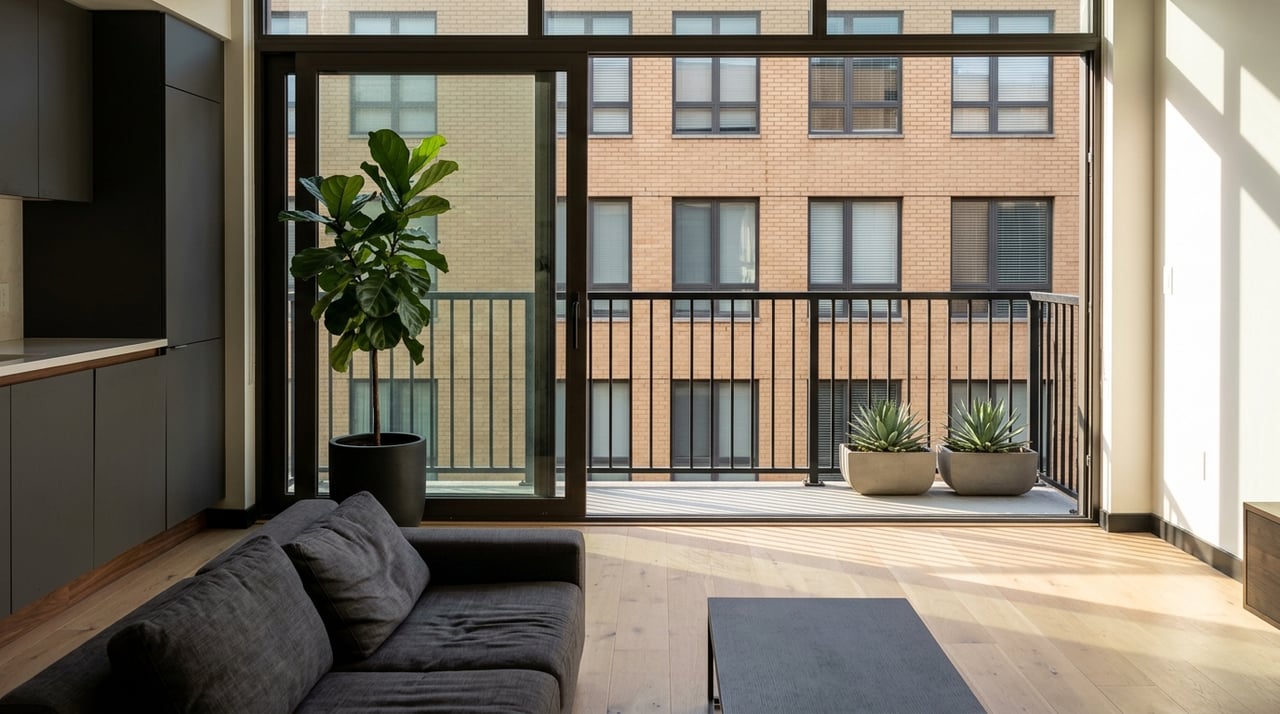
These buildings help create the classic downtown condo feel many buyers picture. You will find a mix of tower living, loft-style design, and buildings that place residents close to arts, nightlife, and work centers.
Loft and mixed-use living
Some downtown properties lean into a loft-style or mixed-use format. Juhl, for example, is identified by the city as a loft-style community with a live-and-work bar and lounge concept at street level. That detail reflects a broader downtown pattern where residential, commercial, and creative uses often overlap.
If you like the idea of a home with a more urban design and a street-level energy, this can be a strong fit. It is a different feel from a suburban condo community, and that distinction matters when you decide what kind of daily environment suits you best.
Newer residential growth
Downtown growth is not limited to older high-rises. In the Arts District, the city lists projects such as Gemma, The Myles, and Midtown, while Symphony Park includes projects like Capella, Bria, Origin, and Cello. The city describes some of these as mid-rise communities and others as taller tower developments.
That newer pipeline matters because it shows downtown is still evolving. If you want more choices in building style, layout, or age of construction, the area offers more variety than many buyers expect.
Lifestyle in downtown Las Vegas
Walkability and daily errands
One of downtown’s biggest advantages is walkability. Walk Score rates the Downtown neighborhood at 75 and the Arts District at 86, with the Arts District described as the city’s most walkable neighborhood. For buyers who want to handle more of life on foot, that is a meaningful difference.
This does not mean every errand will be walkable for every resident, but it does support a more urban pattern of living. You may be able to rely less on your car than you would in many other Las Vegas neighborhoods.
Transit and car-light mobility
Downtown also offers several transportation options that support a flexible lifestyle. RTC says the Deuce provides frequent service, about every 15 minutes, along the Strip and downtown. The city’s free Downtown Loop connects destinations including the Arts District, Brewery Row, Fremont East, Symphony Park, the Civic Center, and more.
RTC Bike Share adds another option, with 24/7 service in Downtown Las Vegas through 30 stations and more than 100 bikes. Together, these systems help support a lock-and-leave lifestyle for buyers who are comfortable mixing walking, transit, and biking into their routine.
Dining, arts, and entertainment access
Downtown Las Vegas is built around access to activity. The city describes the Arts District as home to shops, galleries, restaurants, and Brewery Row, and calls it one of downtown’s premier destinations. If you enjoy local businesses and a steady flow of things to do, that location can be especially appealing.
Fremont East adds another layer, with dining, retail, bars, and retro neon across a multi-block entertainment area. The Fremont Street Experience brings year-round concerts and events in a pedestrian-focused setting with access to downtown hotel-casinos.
Symphony Park offers a different kind of draw. The city describes it as the cultural hub of downtown and home to The Smith Center for the Performing Arts, with plans for a new Las Vegas Museum of Art. If your ideal home base includes quick access to performances and civic destinations, this area deserves a close look.
Who downtown condo living may suit
Downtown condo living tends to attract buyers who want convenience, energy, and lower day-to-day maintenance than a detached home may require. Professionals may value being closer to downtown employment, transit, and entertainment. Buyers with creative interests may be drawn to the Arts District’s galleries, public art, breweries, and restaurants.
Downsizers may also find downtown appealing because condo ownership can mean less exterior upkeep and a simpler lifestyle. At the same time, condo living is not one-size-fits-all, so your comfort with building rules, HOA costs, parking arrangements, and shared amenities should be part of the decision.
What to verify before you buy
HOA documents matter
In Nevada, condos are common-interest communities under Chapter 116. Before closing, sellers generally must provide a resale package that includes the declaration, bylaws or rules, monthly assessment amount, unpaid obligations, current operating budget, year-to-date financials with reserve information, unsatisfied judgments or pending legal actions, and transfer or resale-related fees.
For you as a buyer, this means the HOA is not a side note. Monthly dues, reserve health, and the rules that affect daily use of the property are central parts of the purchase decision.
Parking details vary by building
Parking is another issue to review carefully. Downtown parking can involve a mix of building-specific arrangements, city garages, lots, meters, and monthly permit options. The city also maintains parking resources and special programs tied to areas such as the Arts District and Symphony Park.
Because of that, you should confirm exactly how parking works for the unit you are considering. Ask whether parking is assigned or deeded, what guest parking looks like, and how access is handled after hours.
Building access and lifestyle fit
Beyond price and square footage, think about how the building works in real life. A condo may look great online, but details like entry systems, elevator access, package handling, amenity rules, and noise patterns can shape your day-to-day experience. Downtown living can be a great fit when the building’s setup matches how you actually live.
This is where a detail-focused review becomes valuable. A strategic purchase is not just about finding an attractive unit. It is about understanding the building, the documents, and the practical tradeoffs before you commit.
Smart questions to ask
When you tour downtown condos, keep your questions focused on both lifestyle and ownership details. A few of the most useful questions include:
- What are the current HOA dues?
- What do those dues cover?
- What does the reserve information show?
- Are there any pending legal actions or special fees?
- Is parking assigned, deeded, leased, or first come first served?
- How does guest parking work?
- What are the building’s access and security procedures?
- What amenities are available, and are there usage limits?
- How close is the building to the parts of downtown you plan to use most?
These questions can help you compare buildings more clearly. They also help you move past surface-level features and focus on long-term fit.
The bottom line for urban buyers
Downtown Las Vegas condo living can be a strong option if you want an urban setting with access to arts, dining, entertainment, and flexible transportation. The area offers a real mix of established towers, loft-style communities, and newer residential projects, especially around the Arts District, Fremont East, and Symphony Park.
The key is to balance lifestyle appeal with careful review of the ownership details. HOA disclosures, reserve health, parking logistics, and building operations all deserve close attention. If you want help evaluating downtown condo options with a strategy-first approach, Keeping It Realty can help you buy with more clarity and confidence.
FAQs
What types of condos are available in Downtown Las Vegas?
- Downtown Las Vegas includes established high-rise towers, loft-style communities, and newer mid-rise and tower projects, especially around the Arts District and Symphony Park.
Is Downtown Las Vegas walkable for condo owners?
- Yes. Walk Score rates the Downtown neighborhood at 75 and the Arts District at 86, with the Arts District described as the city’s most walkable neighborhood.
What transit options are available in Downtown Las Vegas?
- Downtown residents can use the Deuce bus, the free Downtown Loop, and RTC Bike Share, which operates 24/7 in the area.
What should buyers review in a Downtown Las Vegas condo HOA package?
- Buyers should review the monthly assessment amount, governing documents, operating budget, year-to-date financials with reserve information, unpaid obligations, pending legal actions, and transfer or resale fees.
Why is parking important when buying a Downtown Las Vegas condo?
- Parking arrangements vary by building, so you should verify whether parking is assigned or deeded, how guest parking works, and what access looks like after hours.